When shopping for the best smartphone under 30k, choosing the right device can transform your everyday experience, and the best smartphone under 30k offers a perfect balance of performance, camera quality, battery life, and design. Many tech enthusiasts agree that the best smartphone under 30k delivers flagship‑inspired features without the premium price tag. https://en.wikipedia.org/wiki/Writing Whether you prioritize gaming, photography, or long battery endurance, the best smartphone under 30k segment continues to rise with powerful processors, vibrant displays, and 5G connectivity. To find the best smartphone under 30k, https://digitalbharat.digitalmarketingecom.com/ compare benchmarks, camera performance, and user reviews to see which model suits your lifestyle. With so many strong contenders, the best smartphone under 30k can be a device that supports heavy multitasking, smooth video streaming, and reliable daily performance. Ultimately, choosing the best smartphone under 30k means finding a phone that feels premium, performs well, and fits your budget — giving you the most value for every rupee spent.
Choosing the best smartphone under 30k has become an increasingly important decision for buyers who want premium features without paying flagship prices, and in today’s competitive mobile market this segment offers remarkable value, innovation, and performance that rivals much more expensive devices. When evaluating the best smartphone under 30k, consumers typically look for a balanced combination of powerful performance, high-quality display, reliable camera capabilities, long-lasting battery life, fast charging support, clean or feature-rich software, and durable design, all of which are now more accessible than ever. Modern smartphones in this price range often feature high-refresh-rate AMOLED displays that deliver vibrant colors, deep blacks, and smooth scrolling, making them ideal for gaming, streaming, and everyday use. Performance is another critical factor, and many options in this category are powered by efficient mid-range processors that handle multitasking, gaming, and productivity apps with ease, ensuring lag-free usage for most users. Camera quality has also seen massive improvements, with multi-lens setups offering high-resolution main sensors, ultra-wide lenses, and advanced software processing that enable impressive photography in both daylight and low-light conditions, making the best smartphone under 30k suitable for content creators and social media enthusiasts alike. Battery life plays a crucial role in overall user satisfaction, and smartphones in this segment frequently include large-capacity batteries optimized by efficient chipsets and software, allowing users to comfortably last a full day or more on a single charge. Fast charging technology further enhances convenience, reducing downtime and ensuring users can quickly top up their devices during busy schedules. Software experience is equally important when determining the best smartphone under 30k, as buyers often prefer clean, smooth, and regularly updated operating systems that enhance security, stability, and usability over time. Many manufacturers now promise extended software and security updates even in this price range, increasing the long-term value of the device. Build quality and design aesthetics have also improved significantly, with sleek glass finishes, slim profiles, and premium-looking frames that feel comfortable and stylish in hand, dispelling the notion that affordable smartphones must look or feel cheap. Connectivity features such as 5G support, Wi-Fi stability, Bluetooth performance, and accurate GPS have become standard expectations, allowing users to stay future-ready and connected across various environments. Storage and memory configurations are another key consideration, as the best smartphone under 30k typically offers ample RAM and internal storage to support heavy app usage, media storage, and gaming without constant memory management concerns. Audio quality, haptic feedback, and call clarity further contribute to the overall experience, ensuring the phone performs well in both entertainment and communication scenarios. Gaming enthusiasts will also find this segment appealing, as many devices include dedicated gaming modes, effective thermal management, and high-touch sampling rates that enhance responsiveness and immersion during extended gaming sessions. Security features such as in-display fingerprint sensors and face unlock have become faster and more reliable, adding convenience without compromising safety. The competition among brands has ultimately benefited consumers, as manufacturers continuously push the boundaries to offer the best smartphone under 30k with features once reserved for premium flagships. This has resulted in better cameras, faster charging, smoother displays, and more refined software experiences across the board. For students, professionals, and casual users alike, this price category offers a practical and cost-effective solution that meets daily needs while still delivering a sense of premium ownership. The best smartphone under 30k is no longer about compromise but about smart choices, where users can enjoy cutting-edge technology, reliable performance, and modern design without overspending. As technology continues to evolve, this segment is expected to become even more competitive, further blurring the line between mid-range and flagship devices. Ultimately, selecting the best smartphone under 30k depends on individual priorities, whether it is camera quality, gaming performance, battery endurance, or software experience, but the abundance of strong options ensures that every user can find a device that perfectly fits their lifestyle and expectations while delivering excellent value for money in a rapidly advancing digital world.
multiple smartphone under 30k
Buying a smartphone under ₹30,000 has never been more exciting, as this price segment now offers powerful performance, premium displays, capable cameras, and long-lasting batteries. Whether you are a gamer, content creator, or everyday user, there are multiple smartphones that deliver excellent value without crossing the ₹30K budget.
When shopping for the best smartphone under 30k, buyers today are spoiled for choice thanks to a dynamic mid-range market filled with powerful and feature-rich devices from brands like Samsung, Xiaomi, Realme, iQOO, Vivo, and Motorola, and among these options each model brings its own strengths that appeal to different kinds of users, such as the Samsung Galaxy M series with models like the Galaxy M34 and Galaxy M54 that impress with their bright Super AMOLED displays, long-lasting battery life, and polished software experience, while Xiaomi’s Redmi Note lineup such as the Redmi Note 12 Pro and Redmi Note 12 Pro+ stands out with high-resolution cameras, 120Hz refresh rate panels, and fast charging that competes with phones priced well above 30k, making these devices excellent choices for photography enthusiasts and multimedia lovers seeking the best smartphone under 30k without compromising on screen quality or battery performance. Meanwhile, Realme’s offerings like the Realme 12 and Realme 11 Pro+ deliver excellent all-around performance with capable chipsets, sleek designs, and fast charging support, positioning themselves as strong contenders for users who prioritize aesthetics, software features, and balanced performance, and iQOO’s Neo series, including the iQOO Neo 7 and Neo 8, focus on delivering robust gaming performance with powerful processors, advanced cooling systems, and responsive displays that make them ideal for gamers looking for the best smartphone under 30k to handle demanding titles with minimal frame drops or overheating. On the other hand, Vivo’s mid-range phones such as the Vivo V30e and Vivo T2 strike a balance between camera performance and everyday usability, boasting good low-light photography and smooth, vibrant displays that make them appealing choices for users who want a reliable camera experience alongside a refined user interface. Motorola also remains competitive with devices like the Motorola Moto G84 and Moto G54 that emphasize clean software, near-stock Android experience, dependable battery endurance, and large displays—features that often make these Motorola models understated yet dependable picks in the best smartphone under 30k category for users who prefer simplicity and reliability over heavy customization. Across all these choices, what stands out is how much value mid-range smartphones now offer compared to just a few years ago, with even budget-friendly models equipped with high-refresh-rate displays, multi-lens camera systems, generous RAM and storage, and long battery life with support for fast charging, which were once features reserved for premium flagships. For example, Redmi and Realme models frequently include 108MP main sensors alongside auxiliary ultra-wide and macro lenses, giving photography enthusiasts the creative flexibility to shoot landscapes, portraits, and close-ups without needing a separate camera, while Samsung’s AMOLED panels and Vivo’s imaging algorithms deliver vivid colors and pleasing skin tones for everyday snaps, making these devices strong candidates when considering the best smartphone under 30k for camera quality.
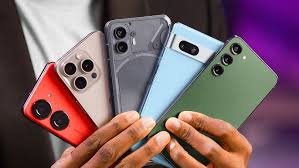
Operating Systems and Software
Smartphones primarily run on Android or iOS, each offering a unique user experience. Android provides customization and a wide range of device options, while iOS is known for its smooth performance, security, and ecosystem integration. Regular software updates and security patches are important factors to consider when choosing a smartphone.
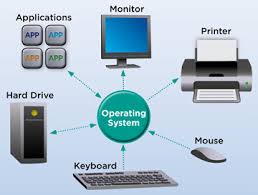
Importance of 5G and Connectivity
With the rise of 5G technology, smartphones now offer faster internet speeds, lower latency, and better network stability. This improves online gaming, video streaming, and video calls. In addition to 5G, modern smartphones support features like Wi-Fi 6, Bluetooth, NFC, and GPS for seamless connectivity.
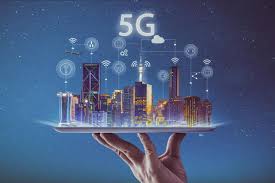
Introduction to Smartphones
Smartphones have become an integral part of modern life, influencing how people communicate, work, and access information. These compact devices combine the functions of a phone, computer, camera, and entertainment system into one powerful tool. With constant technological advancements, smartphones continue to reshape daily routines and digital experiences.
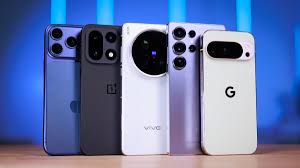
Evolution of Smartphone Technology
The journey of smartphones reflects rapid innovation in technology. From basic mobile phones designed for calls and messages, smartphones have evolved into advanced devices with high-speed processors, sophisticated operating systems, and large storage capacities. This evolution has enabled users to perform complex tasks, multitask efficiently, and enjoy seamless digital experiences on the go.

Performance and User Experience
Modern smartphones are built to deliver smooth and responsive performance. Equipped with powerful processors and ample memory, they support activities such as gaming, video editing, and multitasking without interruptions. User-friendly interfaces and regular software updates further enhance the overall experience, making smartphones accessible to users of all ages.

Camera and Multimedia Capabilities
Smartphone cameras have revolutionized photography and videography. With features like high-resolution sensors, night mode, image stabilization, and AI-powered enhancements, users can capture professional-quality photos and videos. These multimedia capabilities make smartphones a preferred choice for content creation and social media sharing.

Connectivity and Applications
High-speed internet connectivity through 4G and 5G networks allows smartphones to provide instant access to information and services. A wide range of applications supports communication, education, health, finance, and entertainment, turning smartphones into versatile tools that meet diverse needs in everyday life.

Security and Privacy Features
Security has become a key focus in smartphone development. Features such as fingerprint authentication, facial recognition, and data encryption help protect user information. Secure payment systems and privacy controls give users confidence while performing online transactions and storing personal data on their devices.

Future of Smartphones
The future of smartphones promises exciting innovations, including artificial intelligence integration, augmented reality applications, and foldable display technology. As these devices continue to evolve, they will play an even greater role in connecting people, enhancing productivity, and shaping the digital future.
Smartphones have become essential tools, combining communication, entertainment, and productivity in one device. They help people stay connected, capture memories, access information instantly, and manage daily tasks efficiently, making modern life faster, smarter, and more convenient for users everywhere in today’s digital world of constant innovation.
Conclusion
Smartphones continue to evolve, offering smarter features and better performance at various price points. Whether you need a device for work, entertainment, or communication, choosing the right smartphone can greatly improve productivity and convenience. By understanding key features and your personal needs, you can make an informed decision and get the best value for your investment.
In conclusion, mobile phones have evolved far beyond their original purpose of simple communication devices and have become an inseparable part of modern life. They now function as powerful tools that support communication, productivity, entertainment, education, and business, all within a compact and portable form. The rapid advancement of mobile technology has transformed the way people interact with the world, enabling instant access to information and services anytime and anywhere.
Mobiles have significantly improved communication by allowing people to stay connected through calls, messages, video chats, and social media platforms. Distance is no longer a barrier, as individuals can easily communicate with family, friends, and colleagues across the globe. This constant connectivity has strengthened personal relationships and improved professional collaboration, especially in an era where remote work and online meetings are increasingly common.
Beyond communication, mobiles play a vital role in enhancing productivity and efficiency. With access to emails, calendars, cloud storage, and productivity applications, users can manage tasks, schedule appointments, and complete work on the go. Students benefit from educational apps, online classes, and digital resources that make learning more accessible and interactive. Similarly, businesses rely on mobile technology for digital marketing, customer engagement, and mobile-based services.
Entertainment is another area where mobiles have made a remarkable impact. From streaming music and movies to gaming and social media, mobile phones offer endless entertainment options tailored to individual preferences. High-quality cameras and multimedia features have also turned mobiles into creative tools, allowing users to capture photos, record videos, and create content effortlessly.
At the same time, modern mobiles emphasize security and convenience through features like biometric authentication, encrypted data, and secure digital payments. These advancements provide users with confidence and ease while performing online transactions and storing personal information.
Looking ahead, the future of mobiles promises even greater innovation with advancements in artificial intelligence, faster connectivity, and smarter applications. As technology continues to evolve, mobile phones will remain at the center of digital transformation, shaping how people live, work, and connect. Ultimately, mobiles are not just devices but essential companions that simplify life, enhance experiences, and drive progress in an increasingly digital world.
In conclusion, smartphones have revolutionized communication, productivity, and entertainment, becoming indispensable in modern life. While they offer unmatched convenience and connectivity, mindful usage is essential to balance digital engagement with real-world experiences, ensuring these powerful devices enhance rather than dominate our daily so this the our lives.

Humans need smartphones because they make life easier, faster, and more connected. Here are the main reasons in simple words:
- Communication 📞
Smartphones help us talk to family, friends, teachers, and offices through calls, messages, and video calls—anytime, anywhere. - Information & Learning 📚
With a smartphone, we can search the internet, watch educational videos, read news, and learn new skills in minutes. - Work & Productivity 💼
Many people use smartphones for emails, online meetings, documents, business, banking, and payments. It saves time and effort. - Safety & Emergency 🚨
In emergencies, smartphones help us call for help, share our location, use maps, or access emergency services quickly. - Navigation & Travel 🗺️
GPS, maps, and transport apps help us find places, book tickets, and travel safely without getting lost. - Entertainment 🎵🎮
Smartphones provide music, movies, games, and social media for relaxation and fun. - Daily Life Management ⏰
Alarms, calendars, reminders, health apps, and online shopping help manage daily tasks easily.
In short:
Smartphones are needed because they combine communication, knowledge, safety, work, and entertainment in one small device.